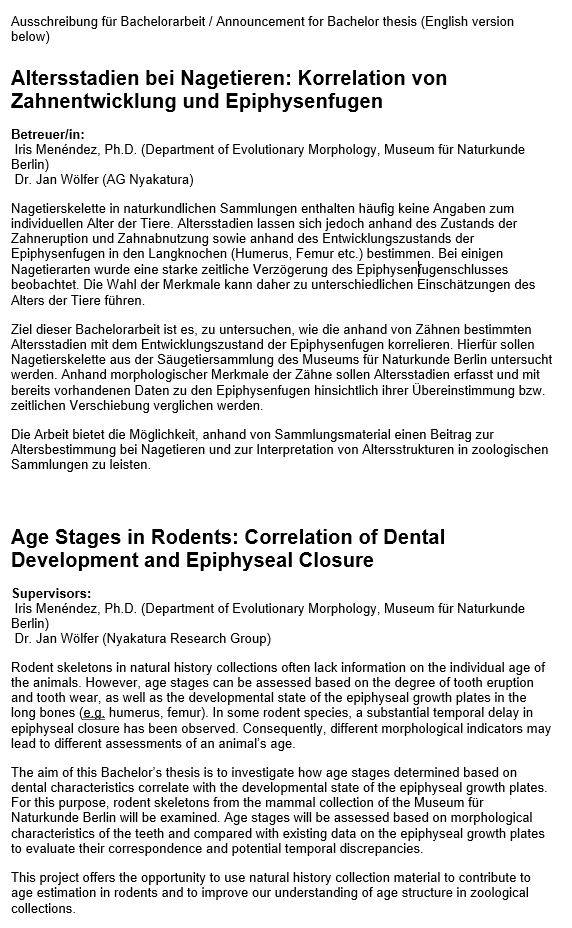
Announcement for Bachelor thesis Age Stages in Rodents: Correlation of Dental Development and Epiphyseal Closure
Many rodent skeletons in natural history collections lack reliable information about the animals‘ age. While age can be estimated from tooth development and the condition of growth plates in long bones, these indicators do not always match. This Bachelor’s thesis examines rodent skeletons from the mammal collection of the Museum für Naturkunde Berlin to compare tooth-based age estimates with existing growth plate data. The findings will help improve age estimation methods for rodents and enhance our understanding of age structure in zoological collections.
To apply, please send your complete application as a single PDF file via email to Iris Menéndez or Jan Wölfer.
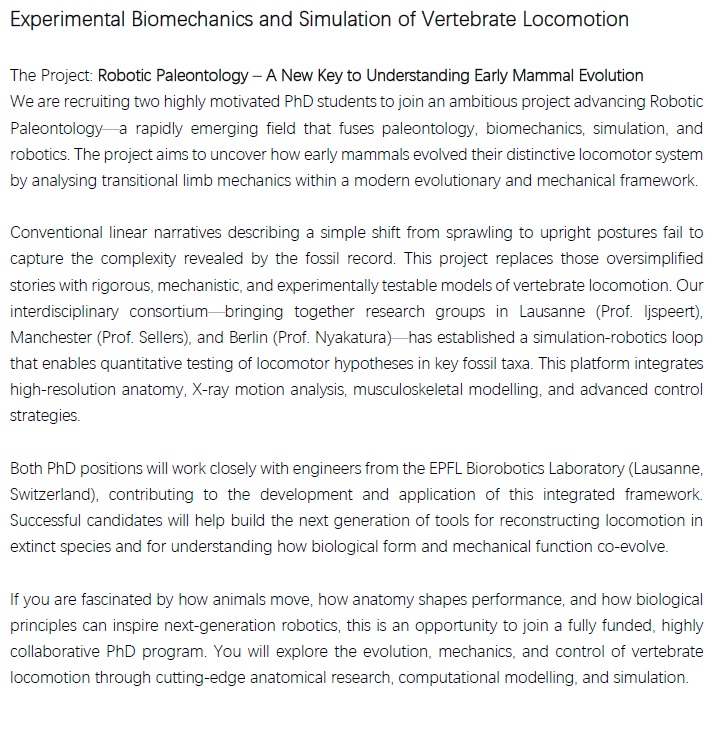
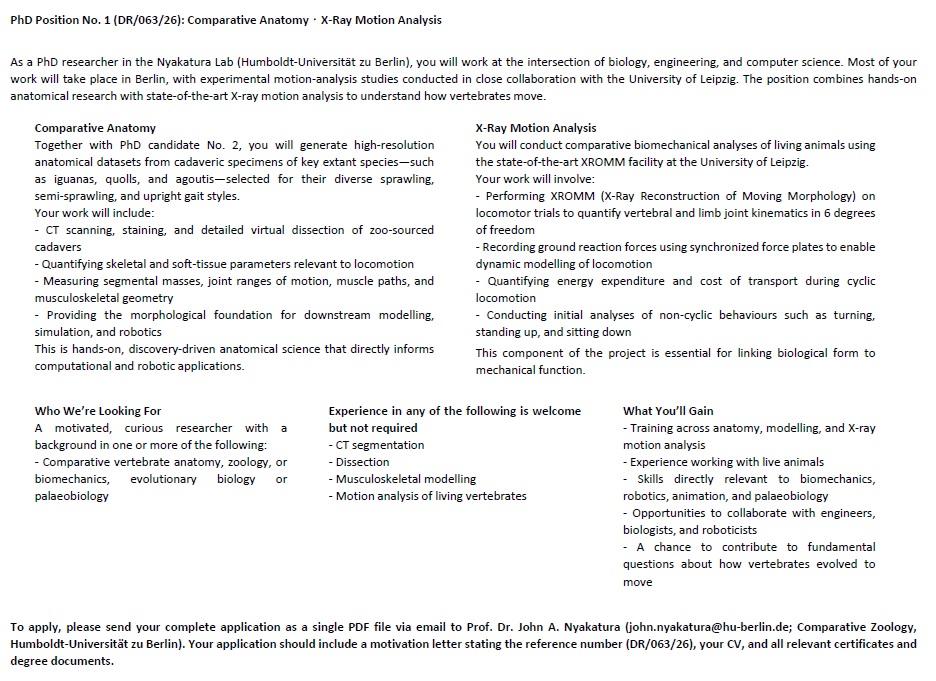
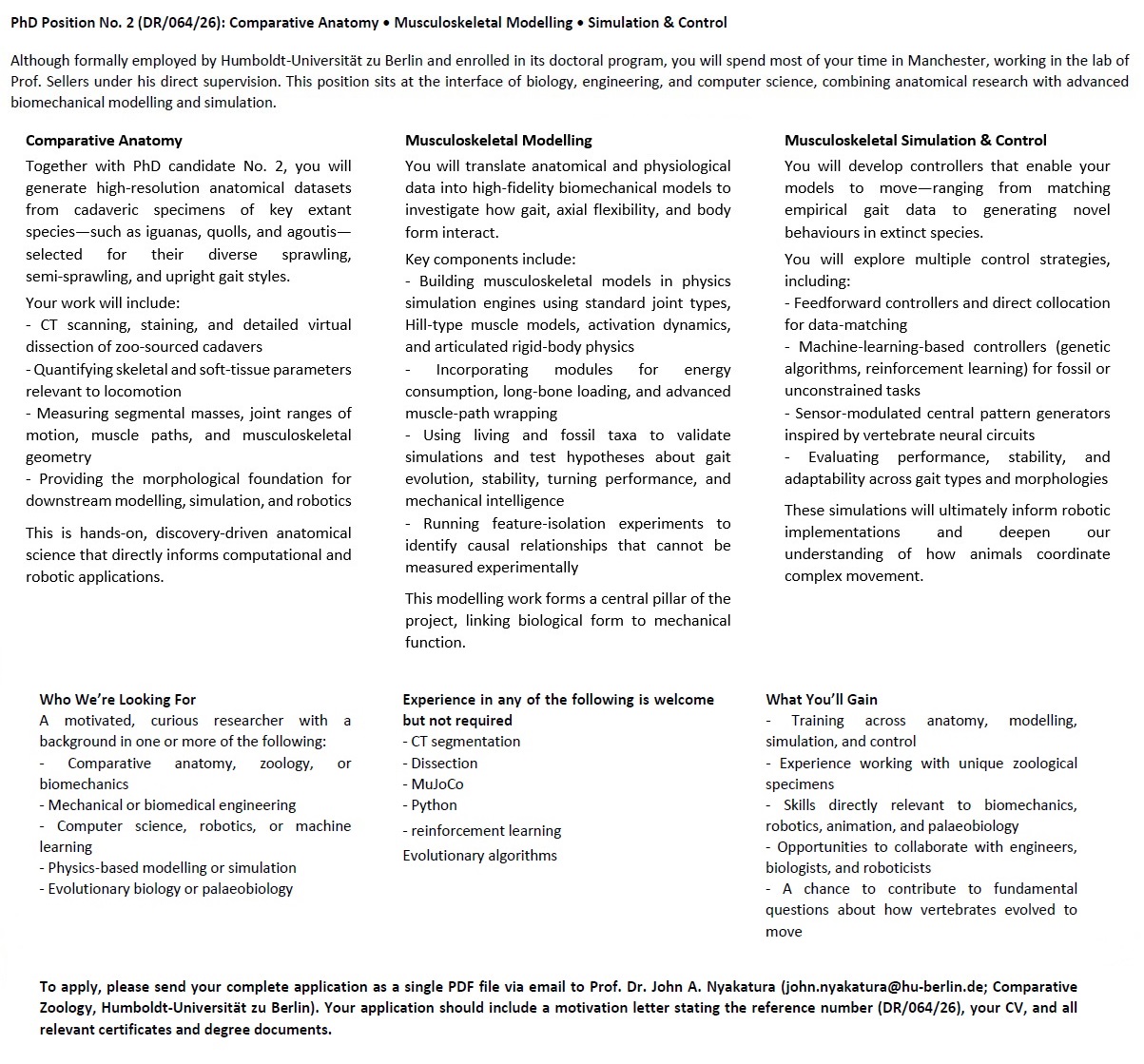
2 PhD Opportunities Experimental Biomechanics and Simulation of Vertebrate Locomotion
The Project: Robotic Paleontology – A New Key to Understanding Early Mammal Evolution
We are recruiting two highly motivated PhD students to join an ambitious project advancing Robotic Paleontology—a rapidly emerging field that fuses paleontology, biomechanics, simulation, and robotics. The project aims to uncover how early mammals evolved their distinctive locomotor system by analysing transitional limb mechanics within a modern evolutionary and mechanical framework.
Successful candidates will help build the next generation of tools for reconstructing locomotion in extinct species and for understanding how biological form and mechanical function co‑evolve.
To apply, please send your complete application as a single PDF file via email to Prof. Dr. John A. Nyakatura. –> until 12.05.2026
The project is embedded in an interdisciplinary international collaboration between research groups in Lausanne (Prof. Ijspeert), Manchester (Prof. Sellers), and Berlin (Prof. Nyakattura).
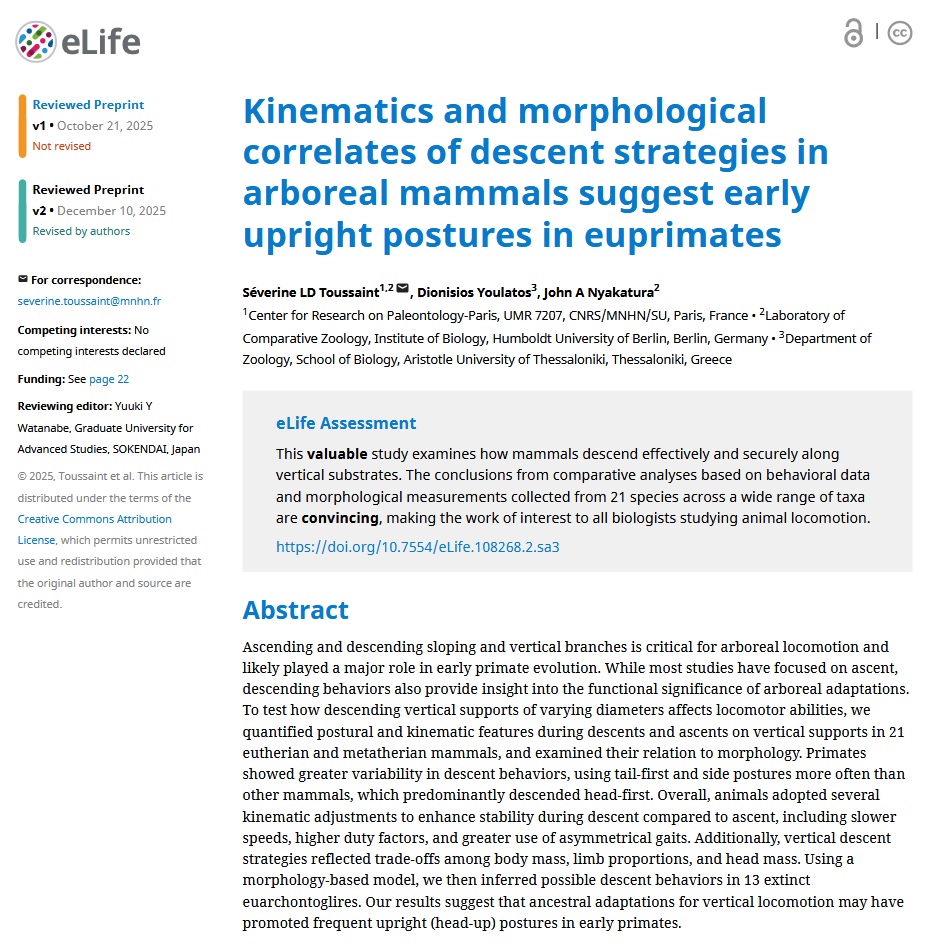
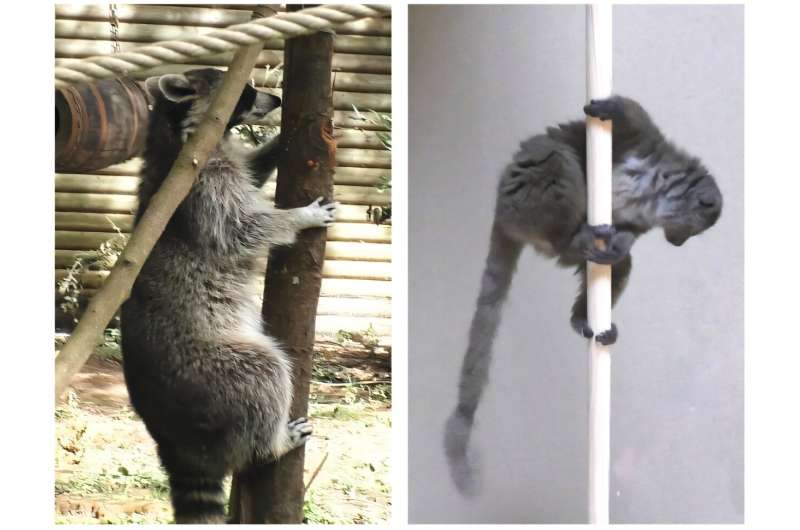
Check out our latest collaborative work with former Nyakatura Lab colleague Séverine Toussaint!
The study explores how tree-dwelling mammals climb up and down vertical supports, highlighting how descending is key to understanding locomotion. By comparing multiple species, the team shows how posture and movement strategies relate to morphology and offer new insights into the evolution of upright behaviors in early primates.
Reinhart Koselleck project funding for evolutionary biologist John A. Nyakatura
DFG funds robotic palaeontology project to study the evolution of mammals.
We are happy to share that our project proposal has been successfully funded by the German Research Foundation for the next five years as part of the Reinhart Koselleck Programme. The project is embedded in an interdisciplinary international collaboration between research groups in Lausanne (Prof. Auke Ijspeert), Manchester (Prof. William I. Sellers), and Berlin (Prof. John A. Nyakatura).
In this project, robotic paleontology will be used to investigate how locomotion evolved in early mammals. Combining simulations, fossil data, and bio-inspired robots, the research aims to better understand the functional and biomechanical consequences of anatomical change. By testing hypotheses about movement in extinct species, the project seeks to move beyond simplified, linear models of evolution and provide a more nuanced view of the diversity of early mammalian locomotion.
We are also excited to welcome two new PhD candidates to the team in the near future as part of this project.
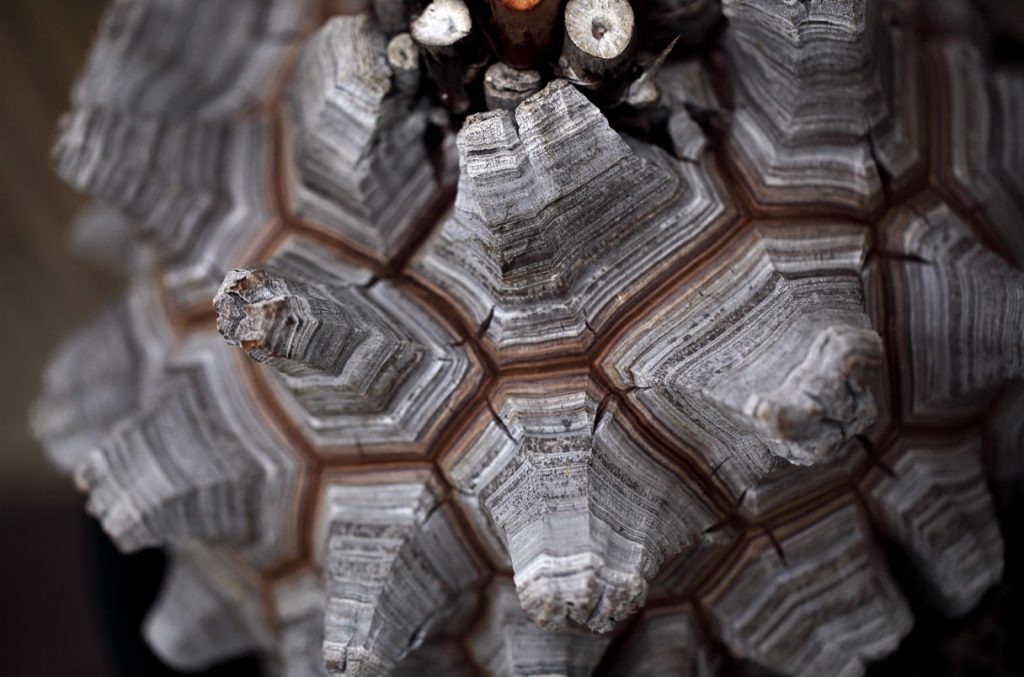
Tiled tissues and architecture can be found all across the natural world. In the elephant’s foot plant, tiled stem patterns provide sturdy support
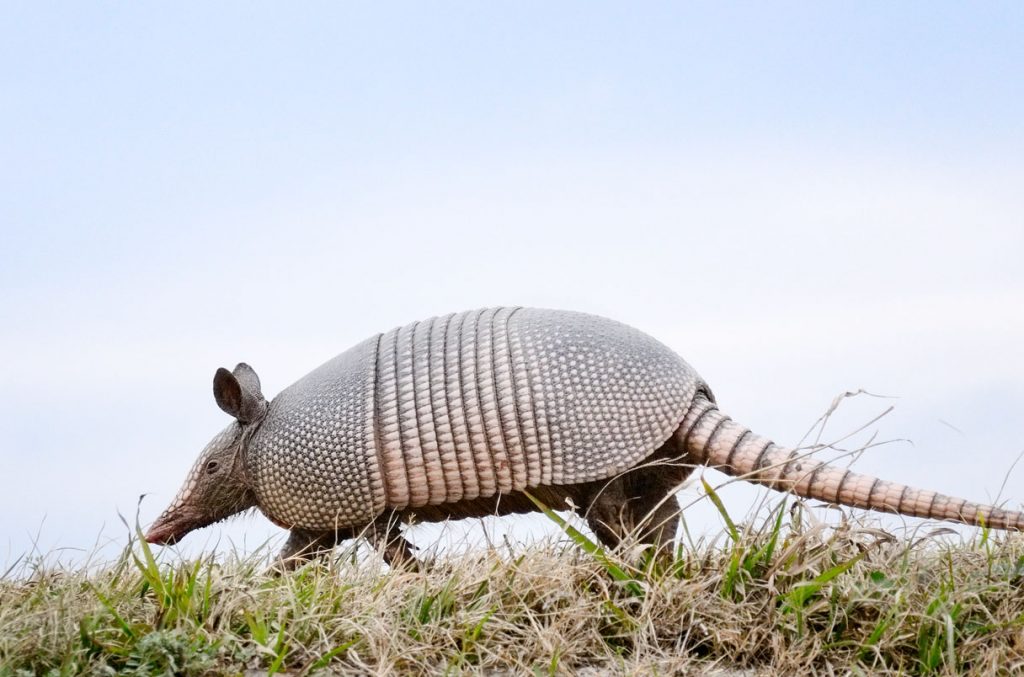
Armadillos rely on bands of tiled armor, made of bony deposits in the skin, that allow bending or even full-body rolling
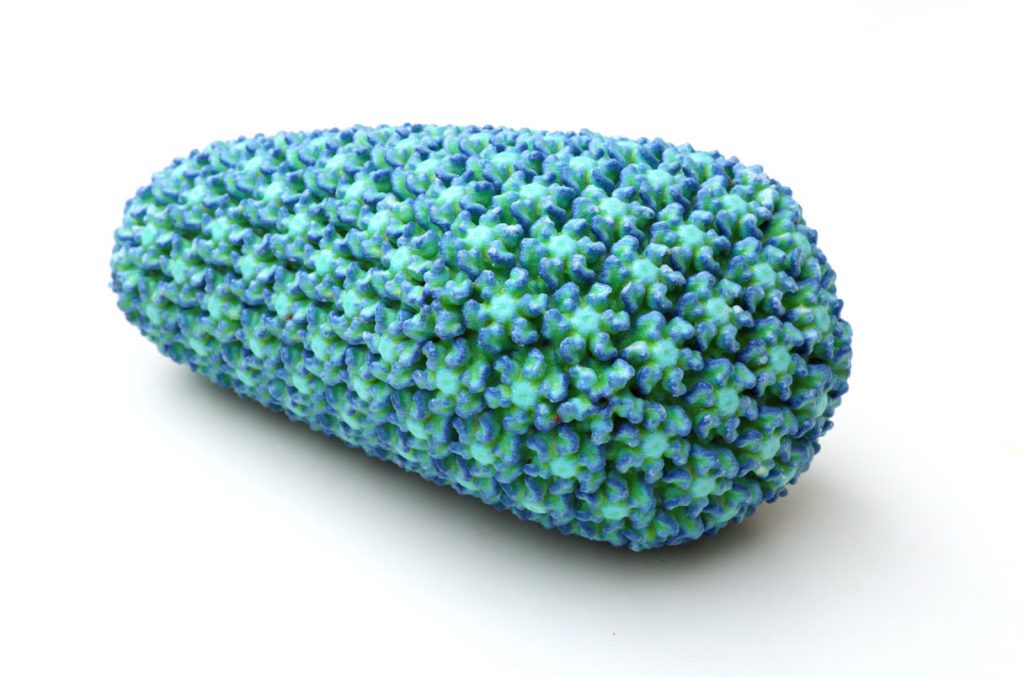
Viruses’ protein shells form protective tiled geometric coats around genetic material
Tiles Tiles Tiles
Why does biology keep building things out of tiles?
Science talks with two scientists about finding the beauty in nature’s mosaics
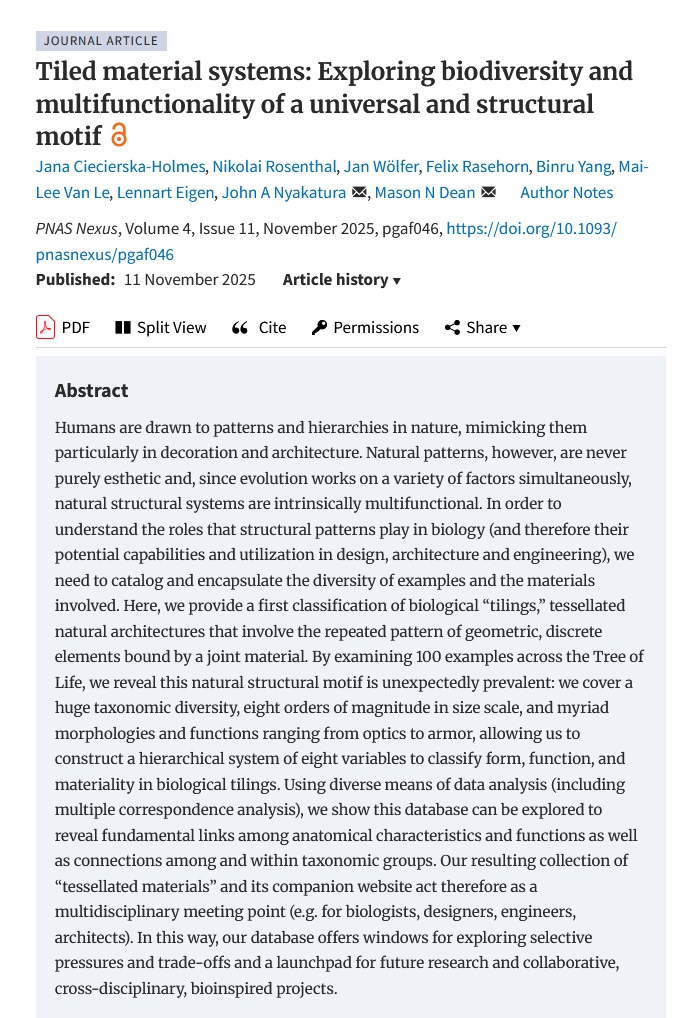
Why does biology so often rely on tiled structures? Take a look at this feature highlighting recent work by a group of women scientists from the Cluster of Excellence Matters of Activity.
Across systems—from viral capsids to vertebrate skin—repeating geometric units emerge as a common design principle, balancing mechanical robustness, flexibility, and growth. The article also showcases the underlying interactive database—try it out to explore these patterns across taxa and scales yourself.
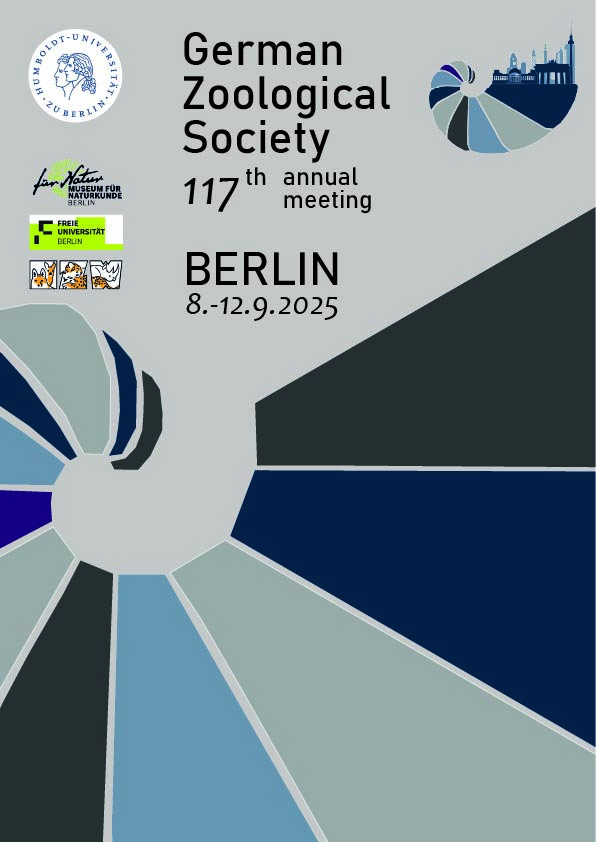
Join us in Berlin for the 117th annual meeting of the German Zoological Society!
We’re excited to announce that the 117th Annual Meeting of the German Zoological Society (DZG) will take place in Berlin in 2025! Together with a dedicated 12-member organizing team around John A. Nyakatura, we’ve been working enthusiastically to shape an inspiring and memorable event.
This year’s program promises outstanding scientific exchange. We’ve invited six plenary speakers at the forefront of zoological research, and more than 130 scientific talks will open up space for discussion, insight, and collaboration across the field.
A special highlight awaits at the Museum für Naturkunde Berlin, which is generously hosting the Icebreaker openig event in the iconic Dinosaur Hall – an unforgettable setting to reconnect and kick off the meeting. Attendees can also look forward to exciting excursions, and over 100 posters will be presented in the fantastic venues of the Freie Universität Berlin.
We can’t wait to welcome you. Come to Berlin and be part of the 117th Annual Meeting of the DZG!
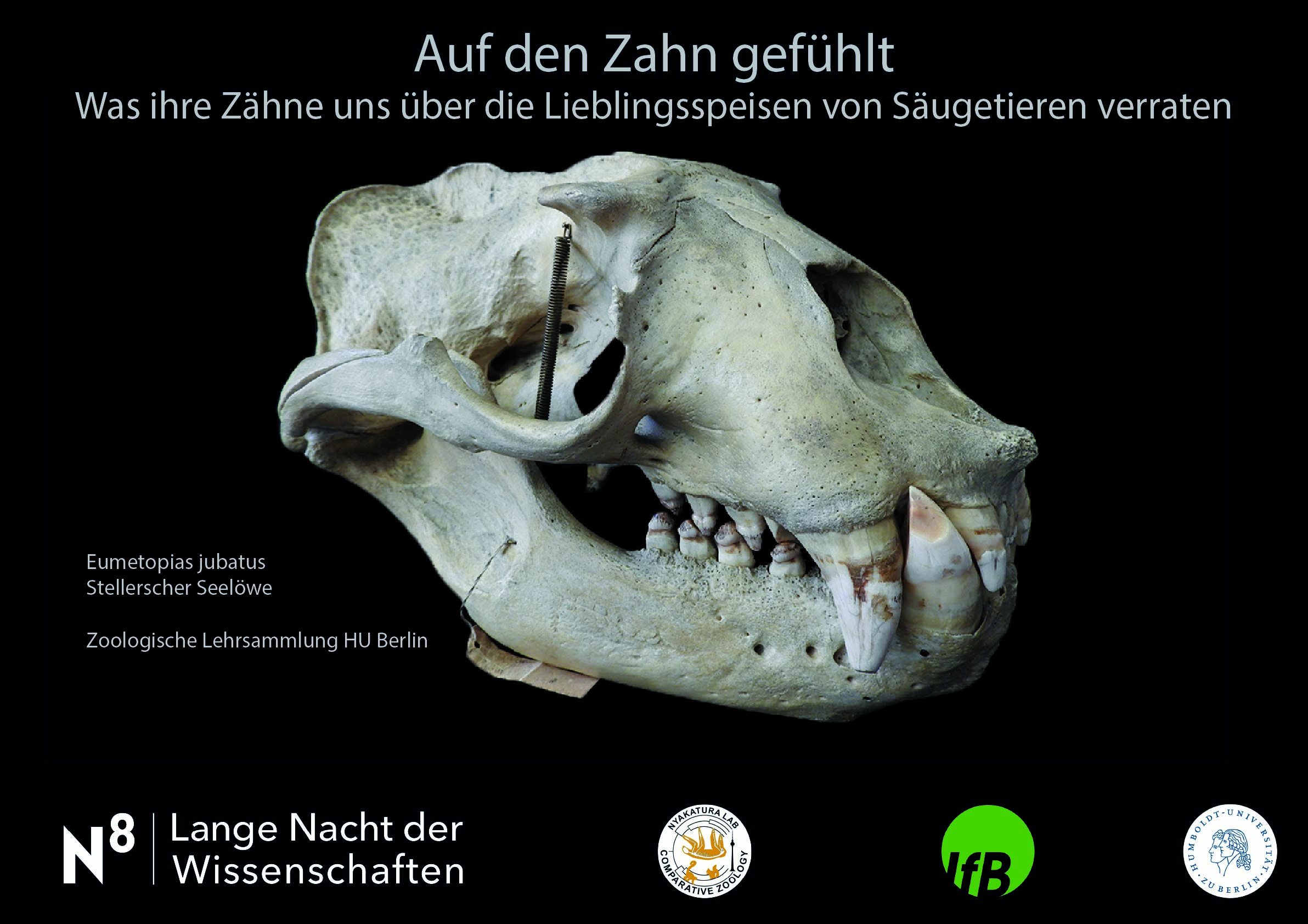
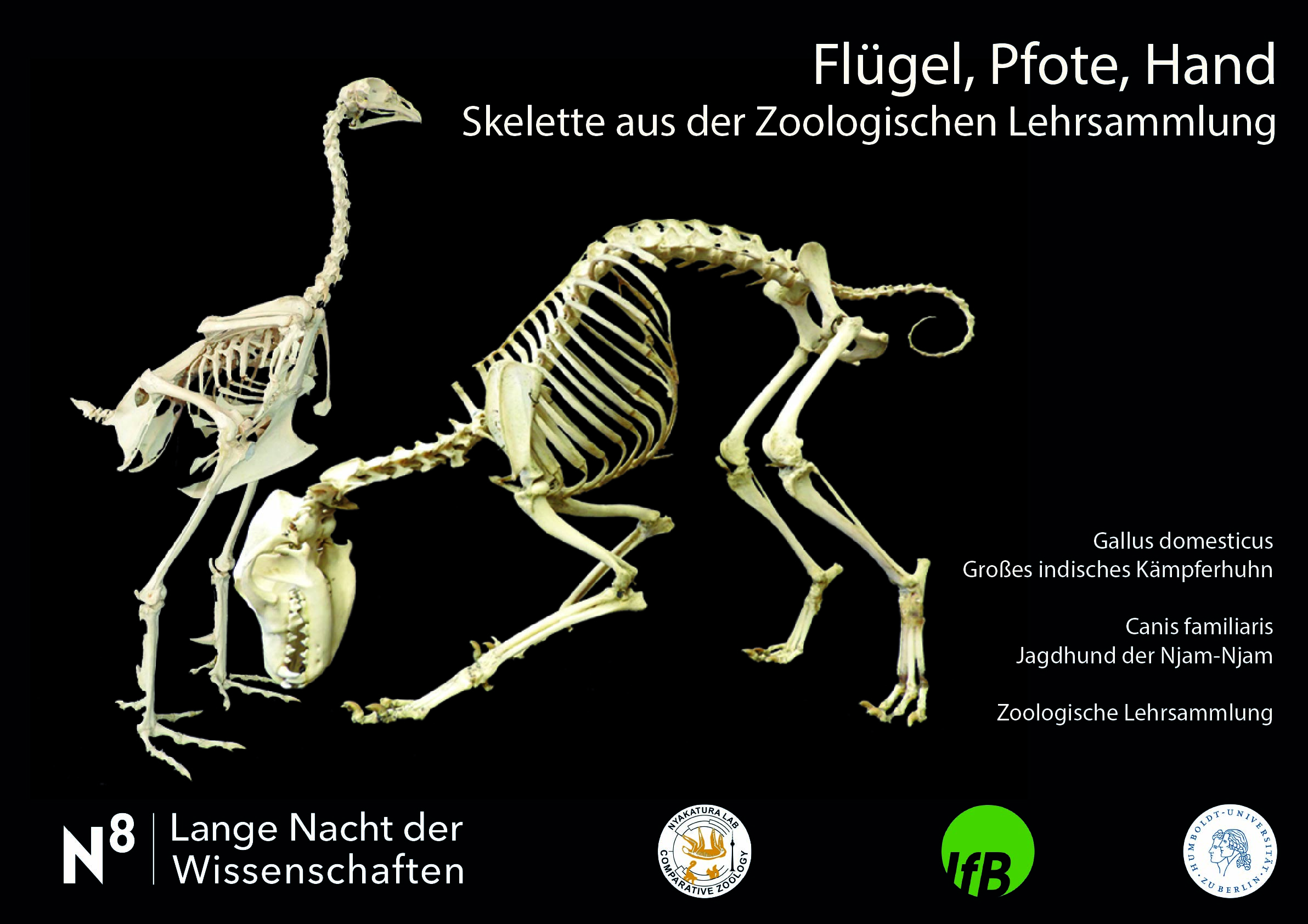
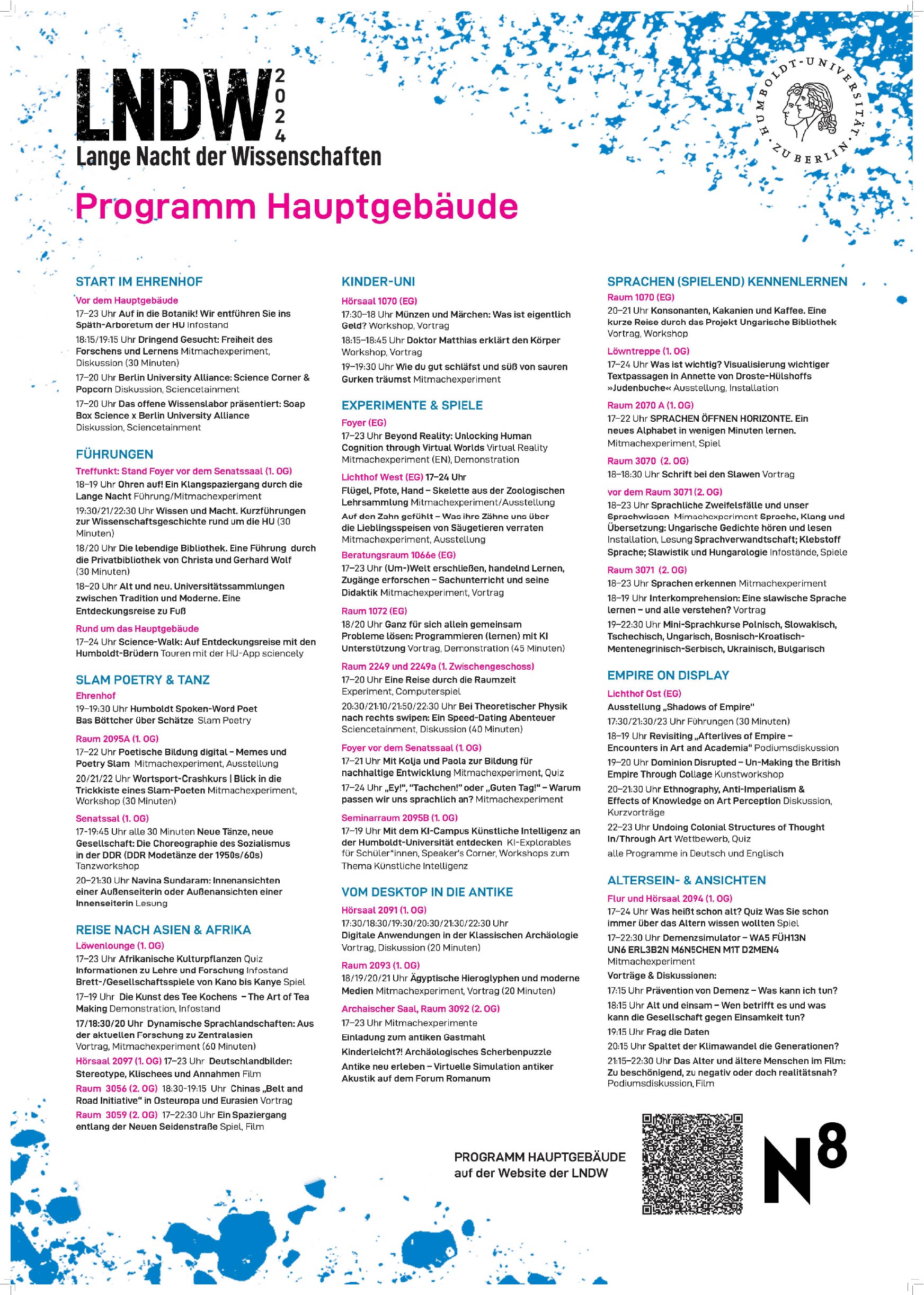
We’re excited to be part of this year’s Long Night of the Sciences! On the evening of June 22, visitors are invited to explore selected highlights of our zoological teaching collection in the HU main building, Lichthof West, Unter den Linden. Discover fascinating specimens, learn about their scientific background, and get hands-on insights into how zoological collections support research and education.
1) Dive into the fascinating world of mammal teeth. From incisors and sharp canines to highly specialized molars, explore the remarkable diversity of mammalian dentition and how it adapts to different diets. Test your skills: Which skull belongs to which animal? Who eats what? And how are the inner “food pathways” shaped by what an animal consumes? A family-friendly journey into the evolution of feeding adaptations.
2) Bones take center stage in this hands-on exhibit. Discover which bones make up a skeleton and what frogs and bats have in common. Using skeletons from HU Berlin’s Zoological Teaching Collection, you’ll explore similarities, differences, and unique features of vertebrate skeletons. Identify mystery specimens, examine tiny mouse bones under the microscope, and test how strong different bone shapes are. A bone-themed experience for the whole family.
Join us for a night of curiosity, discovery, and science brought to life. We look forward to seeing you there! And of course, there are many other exciting projects to explore as well. See the on-site programme here.
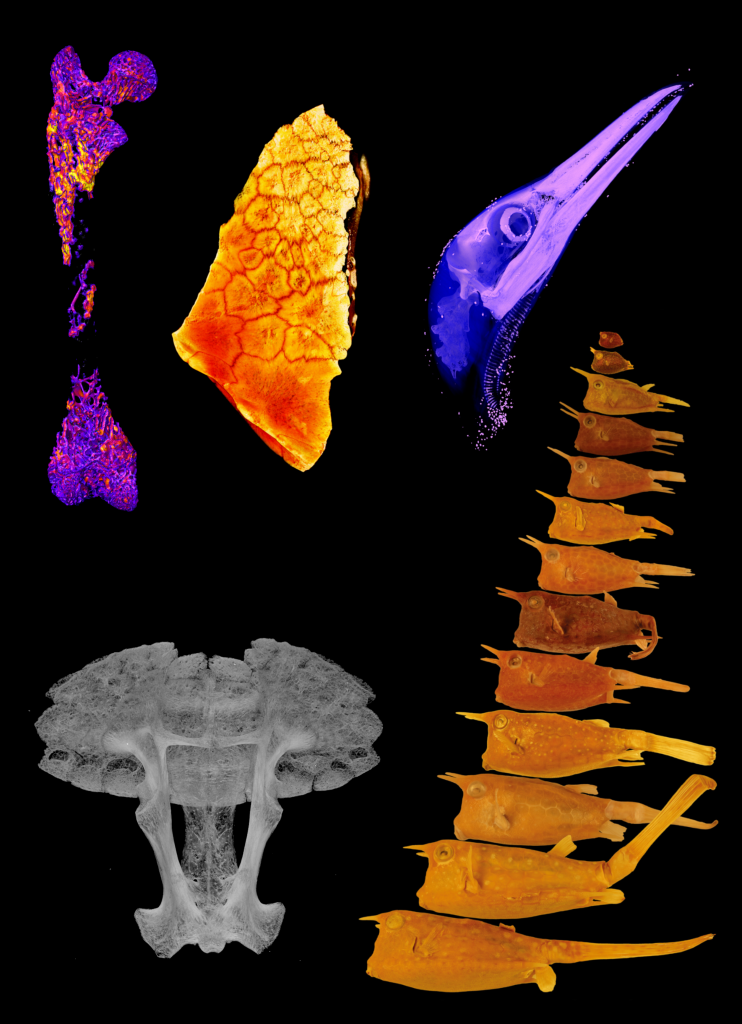
Femoral trabeculae of Tachyorychtes sp. (MfN Berlin)
Piece of leatherback turtle skin Dermochelys coriacea (HU)
Gannet head Morus bassanus (CAU Kiel)
Rumpplate of an armadillo Calyptophractus retusus (SNSB)
Ontogenetic series of longhorn cowfish Lactoria cornuta (MfN Berlin)
Together in Science: Thank You to Our Collaborators
We’d like to send a heartfelt thank-you for the wonderful collaboration over the past years. Working with vertebrate collections and museum teams around the world has opened the door to research we simply couldn’t have done on our own. These partnerships have been essential to our growth from a small junior group into a full research lab in Berlin.
We’re truly grateful for the trust, the teamwork, and the many opportunities these partnerships have made possible. And we look forward to continuing this work with leading natural history museums in the years ahead.
From all of us – past, present, and future – thank you for helping us do the science we love!
Among Our Many Valued Museum Partners:
American Museum of Natural History
Museum König Bonn
Field Museum Chicago
Museum der Natur Hamburg
Museum für Naturkunde Berlin
Museum of Zoology Michigan
Museúm national d’Histoire naturelle
Naturhistorisches Museum Wien
Phyletisches Museum Jena
Senckenberg Museum
Smithsonian National Museum of Natural History
Naturkundemuseum Stuttgart
Yale Peabody Museum
Zoologische Staatssammlung München
2024 – 10 years Nyakatura Lab
Celebrating 10 Years of the Nyakatura Lab
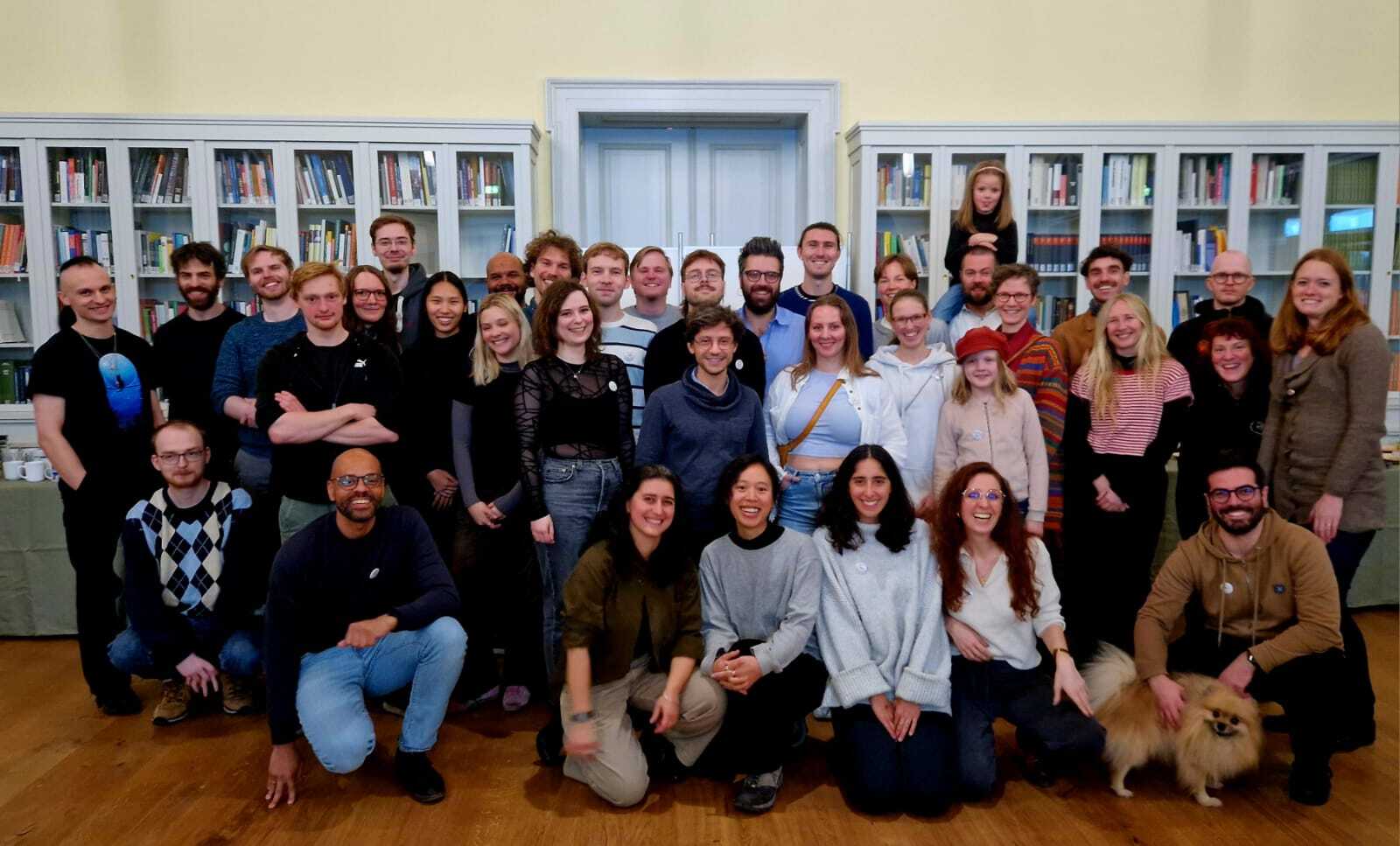
We just celebrated a full decade of the Nyakatura Lab, and it couldn’t have been a better day. Former and current members, together with friends of the group, gathered to share memories, reconnect, and enjoy inspiring talks. It was exciting to see how much the lab has grown and how many new ideas emerged from our conversations. The mix of stories, laughter, and scientific curiosity showed the energy that drives our work.
Here’s to many more years with wonderful people, continued collaboration, and brilliant research!
Nyakatura Lab People
Lab Retreat in Kamern Okt'23
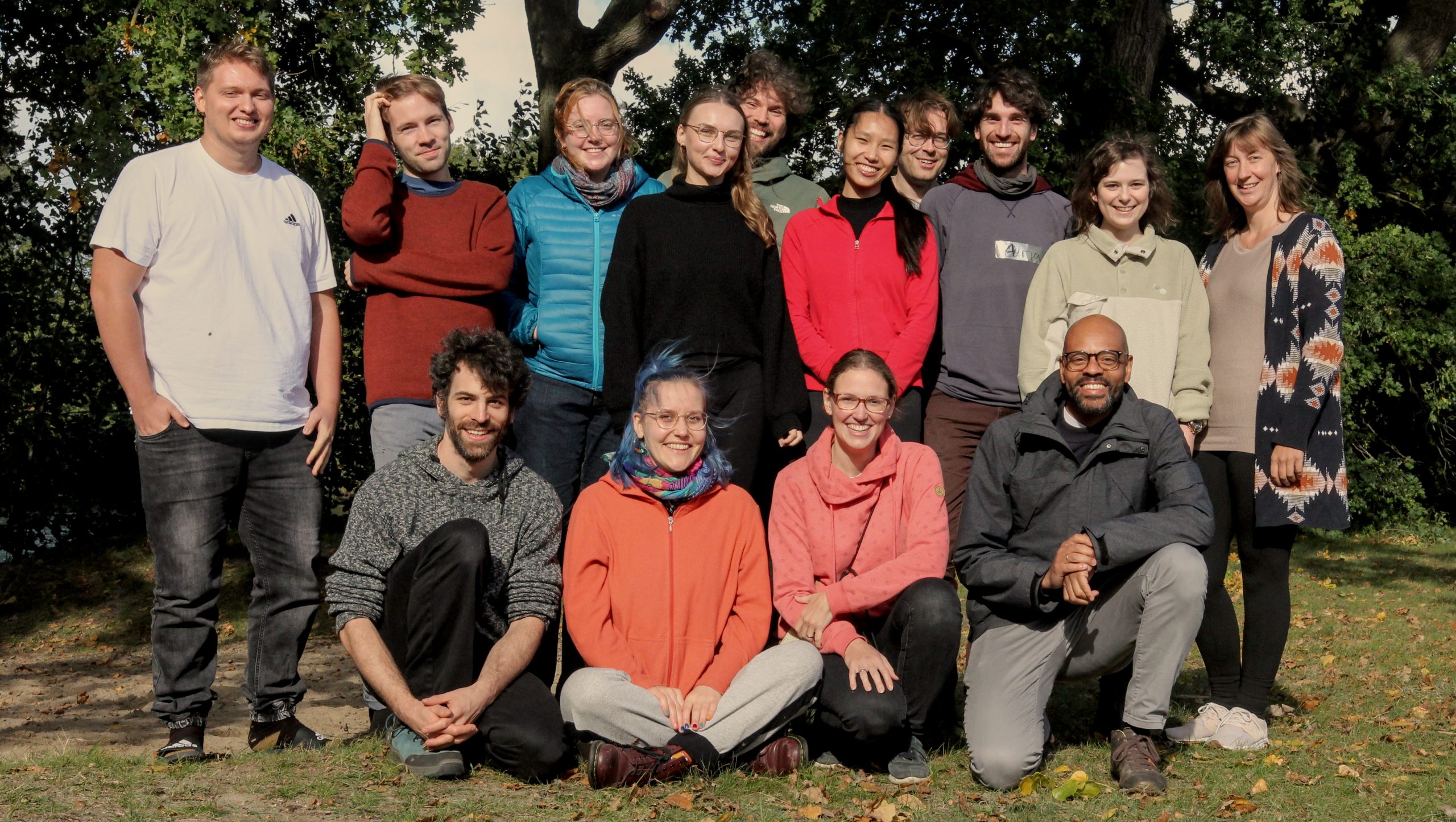
The Nyakatura Lab teamed up with the Böhmer Research Group from Kiel University (CAU) for a joint lab retreat in beautiful Kamern.
With 20 scientists on site, the weekend offered inspiring talks, hands-on workshops, and great discussions on vertebrate functional morphology. Perfect weather and great company made it easy to spark new ideas and connections.
A big thank-you to everyone who contributed their time, expertise, and energy!
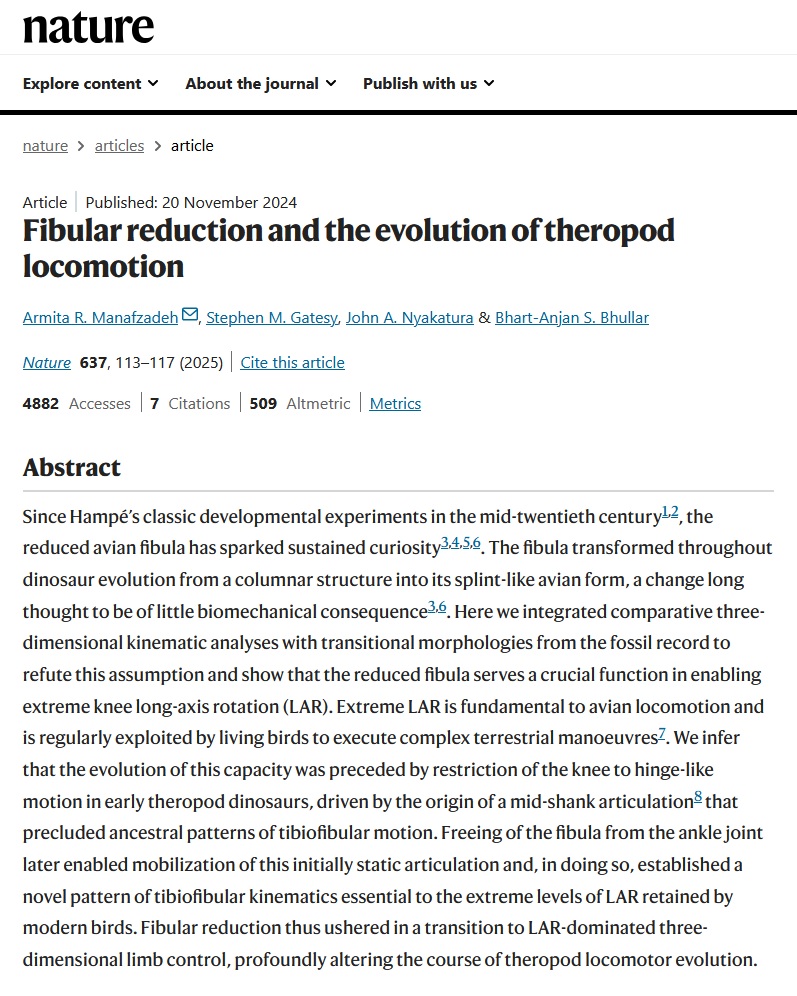
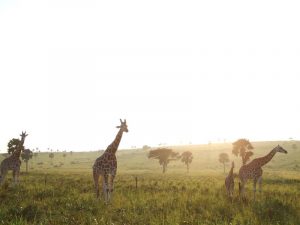
Der lange Hals der Giraffe: Neue Erkenntnisse über eine Ikone der Evolution
We are happy to share results from our research on one of the most iconic traits in evolution: the long neck of the giraffe. Combining data from natural history collections with advanced 3D modelling and simulations, we provide quantitative support for a long-standing hypothesis: that a uniquely shaped first thoracic vertebra plays a key functional role in neck elongation.
By analysing a large dataset of vertebrae across different species, we also explored how skeletal structures and mobility evolved in giraffes and their relatives. Our findings highlight the importance of subtle anatomical changes and demonstrate how modern digital tools can offer new insights into long-standing questions in evolutionary biology.
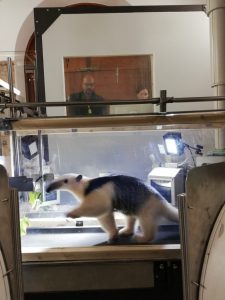
X-ray motion analysis of tamanduas finally started!
Adrian Scheidt and John Nyakatura started the analysis of tamandua locomotion and digging behaviour in collaboration with the University of Leipzig. So far, Faya and Hugo are doing a phantastic job.
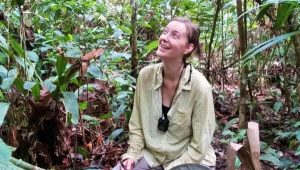
Patricia returns from the field…
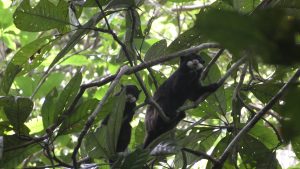
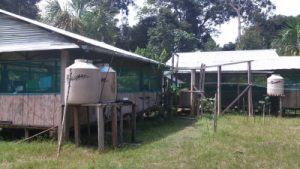
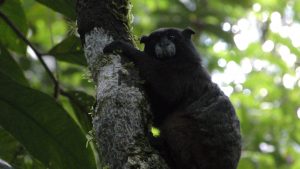
…with a backpack full of amazing data. Welcome back! Patricia spent 5 month at the Estacíon Biológica Quebrada Blanco in Amazonian Peru. This is a field station run by the German Primate Center with well habituated mixed species troops of callitrichids, small New World primates. Patricia studied how the closely related species Leontopithecusnigrifrons and Saguinus mystax utilize their habitat. We hypothesize that behavioural differences are also reflected in their limb morphology and aim to show the functional significance of these morphological differences. Patricia quantified the primates’ jumping behaviour in relation to support parameters. We are glad you made it back in (relatively) good health, Patricia! Next: analysis.
Falk Mielke’s thesis is awarded the “Humboldt Preis“
Congrats to our former lab member! Falk’s thesis “Articular Surface Superimposition for Geometric Morphometric Analysis of Xenarthran Humerus Functional Morphology” was awarded with one of only two awards that are handed out for the best master’s theses of the HU’s academic year. After receiving the prestigious award, Falk started his PhD project in the lab of Peter Aerts at the University of Antwerp in Belgium. We whish him all the best and continued success.
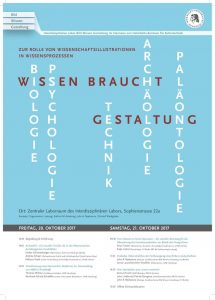
“Wissen braucht Gestaltung”
An interdisciplinary workshop will be held at the cluster of excellence “Image Knowledge Gestaltung: an interdisciplinary laboratory” on the 20th and 21st of October 2017. The workshop will be held in German and is co-organized by Kathrin Amelung, Christof Windgätter, and John Nyakatura.